Why Sell With HouseSpotters in Paisley?
Free, no-obligation property valuation
Premium photography & marketing included
Average £10,000+ over asking price achieved
Dedicated local agent — not a call centre
Sold in an average of 14 days
5-star rated service
Your Local Paisley Estate Agent
Paisley is Scotland's largest town, and it holds several quite different property markets inside a few square miles. Red sandstone villas around Castlehead and the West End sit minutes from Victorian tenements off Glasgow Road, 1930s semis in Ralston and Glenburn, and the mill-era streets of Seedhill and Ferguslie where regeneration has steadily changed what buyers see. Selling here starts with being honest about which of those markets your home belongs to — the buyer for a Castlehead villa and the buyer for a two-bedroom close flat are rarely the same person.
Housespotters works across Paisley, Renfrew, Johnstone, Barrhead and the wider Renfrewshire area. We know the streets, the school catchments, the factoring arrangements on the closes, and how much the spread between Paisley postcodes affects price. That is the detail that turns an average offer into a strong one.
The neighbourhoods that make up the Paisley market
Paisley is not one market, it is seven or eight of them stacked together. Which one your home sits in decides who your buyer is, what they will pay and how the property should be marketed.
Where we sell, and who buys there:
- • Castlehead — tree-lined streets of red sandstone villas and large period homes close to the town centre; buyers here are moving up, not down, and competition is real
- • The West End — Victorian and Edwardian villas alongside generous period flats, with the station and good schooling within reach
- • Ralston — bungalows and inter-war semis on the western edge, consistently popular with downsizers and older families
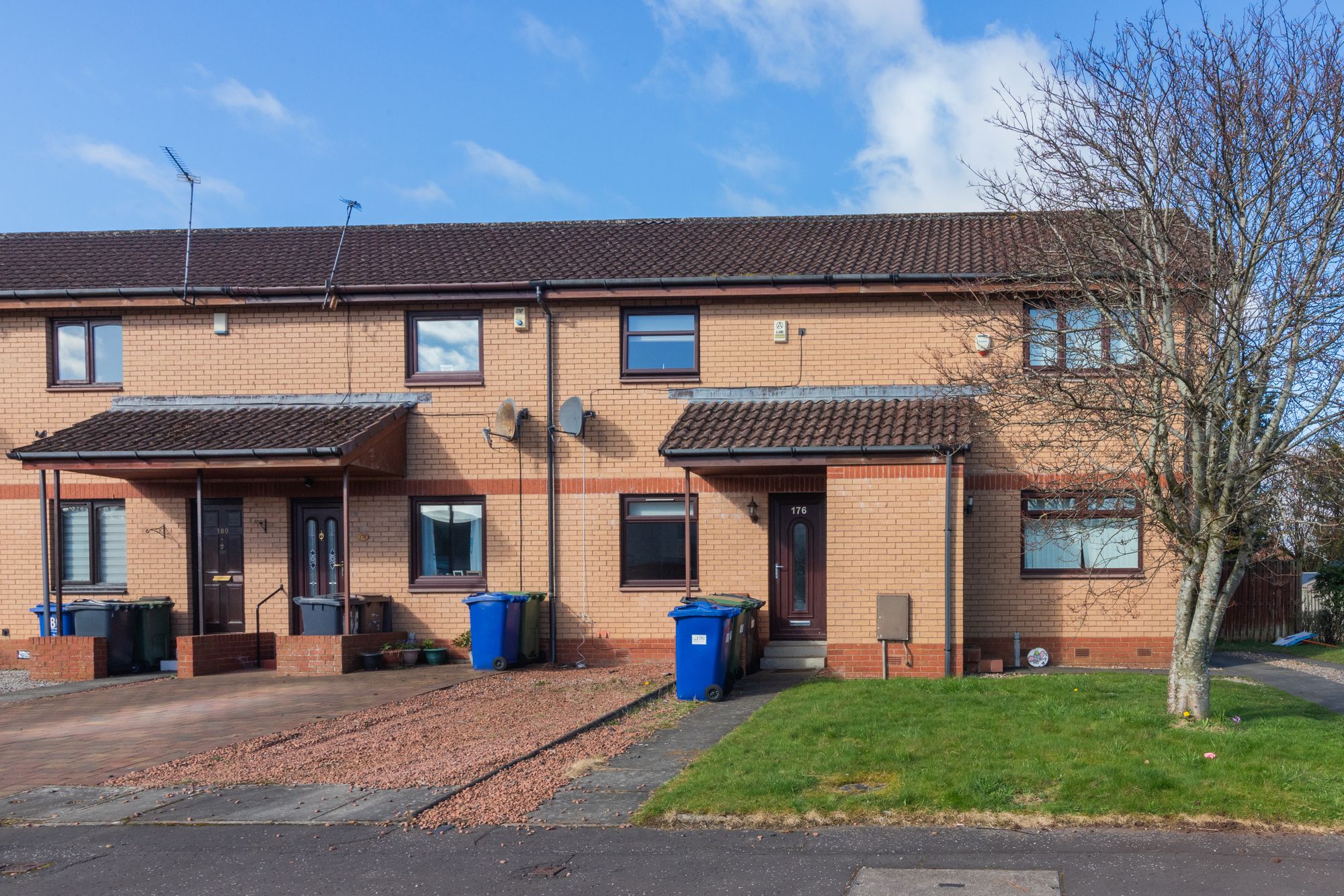
- • Glenburn and Foxbar — post-war semis and terraces with gardens and driveways; the heart of Paisley’s family market
- • Hunterhill and Williamsburgh — period flats and terraces that suit first-time buyers and investors
- • Seedhill and Ferguslie — regeneration-led streets where value and potential drive interest
- • Paisley Cross and the town centre — tenement flats above shops, minutes from Gilmour Street station
Property types and what Paisley buyers expect
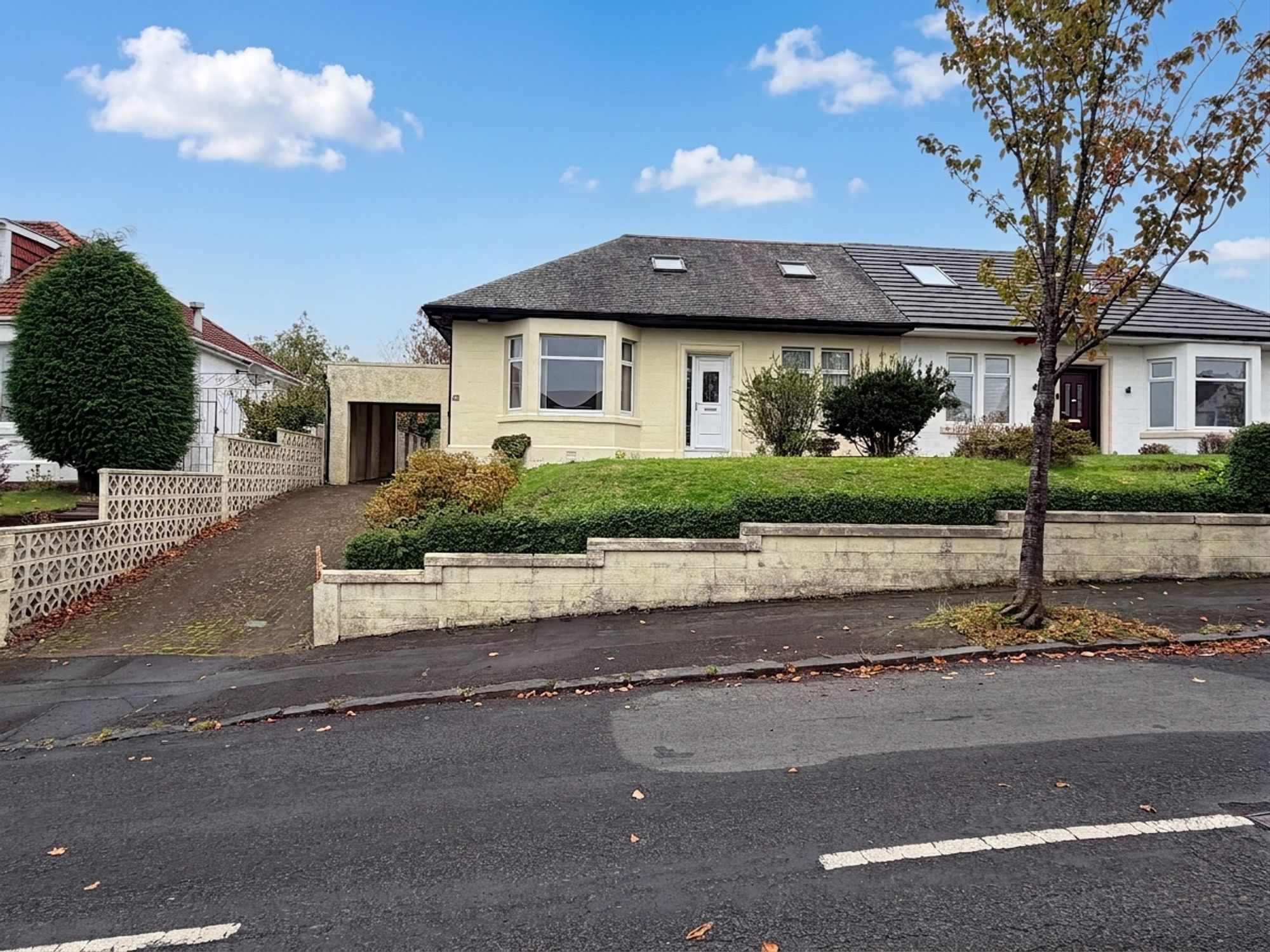
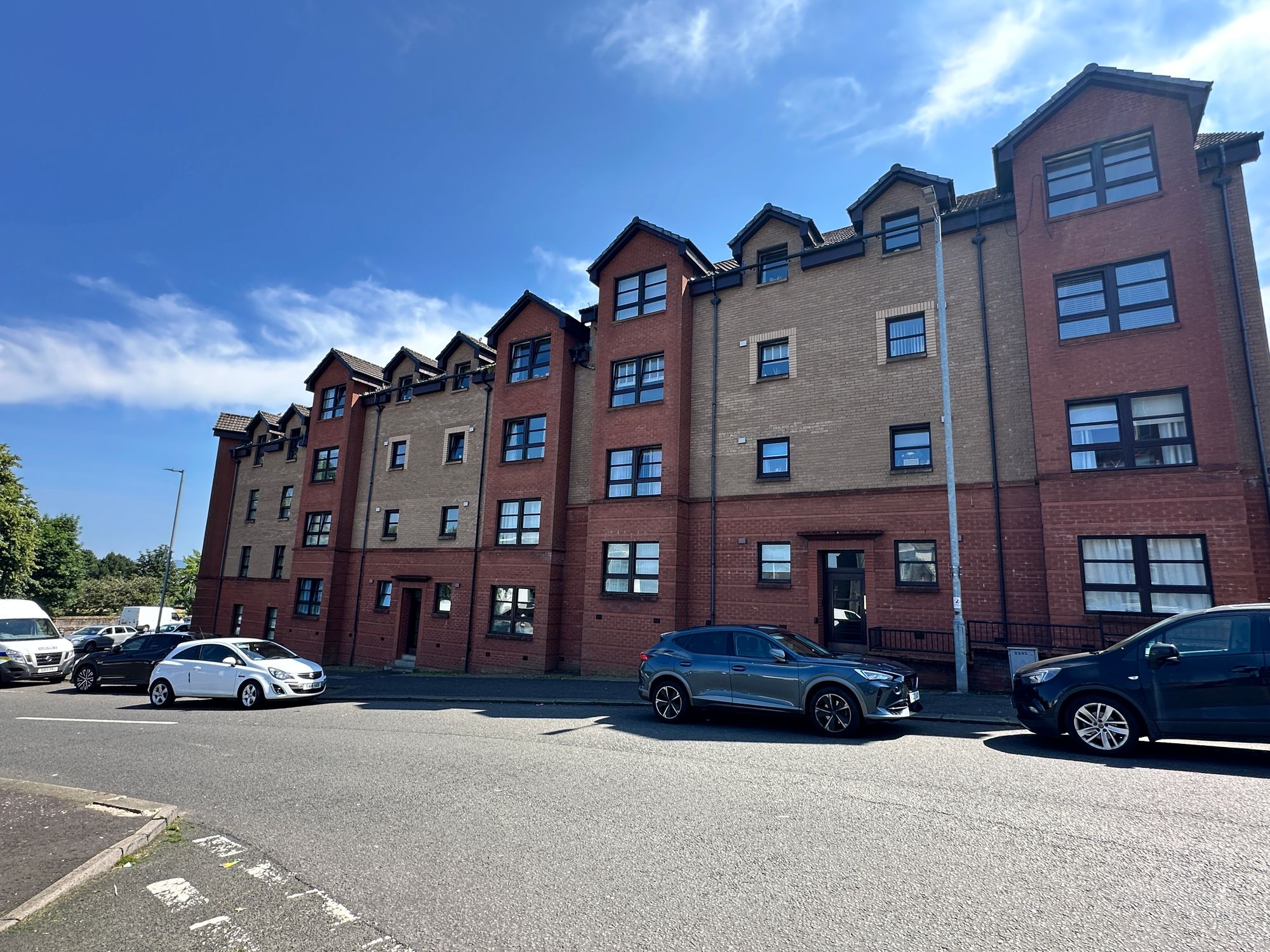
Almost everything in Paisley is older than it looks from the street, and buyers behave accordingly. A tenement flat is judged on the close, the factoring and the roof as much as on the rooms; a villa is judged on garden ground, parking and original features; a semi is judged on condition and school catchment.
What we highlight — and what we fix first:
- • Tenement flats — clear factoring records, common repair history and a cared-for close
- • Sandstone villas — cornicing, shutters and fireplaces kept intact, plus garden ground and off-street parking
- • Inter-war and post-war semis — driveways, garden size, kitchen condition and primary catchment
- • Newer and converted homes — energy rating, parking and genuinely low maintenance
Commuting, the airport and the Paisley seller angle
Paisley Gilmour Street puts Glasgow Central a short hop away, the M8 runs along the northern edge of the town, and Glasgow Airport sits on the doorstep at Abbotsford. The Royal Alexandra Hospital and the University of the West of Scotland add a year-round flow of buyers and renters who want to be close to work rather than in the city.
For sellers that means two things. First, the buyer pool is wider than the town itself — a good share of every viewing diary here comes from Glasgow-based buyers moving out along the corridor. Second, viewings need to suit people who are commuting during the week, so evenings and weekends are not an afterthought.
What we handle for you:
- • Pricing against the right Paisley pocket rather than a town-wide average
- • Factoring and common repair paperwork brought together before it stalls a sale
- • Photography that shows the light and proportions of period rooms properly
- • Viewing availability that works around Glasgow commute times
An online estimate cannot tell a Castlehead villa from a flat off Glasgow Road. Ours are done in the property, by someone who sells in these streets.
The Paisley Property Market
Steady
Buyer Demand
Glasgow commuters
Typical Buyer
Tenements & villas
Property Mix
Castlehead, Ralston
Standout Pockets
Paisley's market is driven by value. Buyers who are priced out of Glasgow's Southside and West End move west along the M8 corridor and find considerably more house for their money, while the town's own employment base — the Royal Alexandra Hospital, the University of the West of Scotland, Renfrewshire Council and Glasgow Airport on the doorstep — keeps a steady flow of first-time buyers and renters moving through the town.
The stock is old. A large share of Paisley's housing predates 1919, which means sandstone tenements, villas and terraces where condition genuinely moves the price. Damp, roof condition, close maintenance and factoring records are not background details here — they are the difference between two offers, and buyers read the Home Report closely before they view.
Because the town has so many distinct pockets, price gaps open up street by street: a short walk can mean a different primary catchment, a different style of close, or a garden instead of a shared drying green. Regeneration in the town centre and around Ferguslie, plus conversions of former mill buildings, keeps shifting where buyers look next.
How to Sell Your Property in Paisley
Book Your Free Valuation
Get an accurate, no-obligation valuation from our local property expert who knows your area inside out.
Commission Your Home Report
A Home Report is legally required in Scotland. We arrange this for you and explain the results to potential buyers.
Professional Marketing
We create premium photography, write compelling listing copy, and list your property on all major portals.
Viewings & Feedback
We handle all viewing arrangements and provide honest, constructive feedback after every viewing.
Negotiate & Accept Offers
We negotiate on your behalf to achieve the best possible price and guide you through accepting an offer.
Conclude Missives
Your solicitor finalises the legal contract with the buyer's solicitor. We coordinate throughout to keep things on track.
Complete & Move
On the agreed date, ownership transfers and you receive your funds. We support you right up to handover of the keys.
What Our Paisley Clients Say
"Sold our house in one day — couldn't believe the result."
"Achieved well over the asking price. Fantastic service."
"Professional, honest, and always available. Highly recommend."
Related Guides for Paisley Sellers
Why Choose HouseSpotters
Discover what makes us different and why sellers across Scotland choose us.
Read GuideHome Report Guide
Everything you need to know about the Scottish Home Report requirement.
Read GuideProbate Property Sales
Expert guidance on selling a property through probate in Scotland.
Read GuideSelling an Inherited Property
Support and advice for selling an inherited home in Scotland.
Read GuideHow Much Is My Home Worth?
Understand property valuation and how to maximise your home's value.
Read GuideSell a Rental Property
A complete guide to selling a tenanted or rental property in Scotland.
Read GuidePaisley Property Selling FAQs
What affects the value of a Paisley home most?+
How long does it take to sell a house in Paisley?+
Do I need a Home Report to sell in Paisley?+
I own a flat in a tenement — what should I sort out before selling?+
Which areas of Paisley are easiest to sell in?+
How much is my Paisley property worth?+
How do Paisley prices compare with Glasgow?+
What are buyers looking for in a Paisley flat?+
How do I prepare a period property in Paisley for sale?+
Is Paisley a good market for a quick sale?+
What is the selling process in Paisley?+
Can you help sell an inherited or probate property in Paisley?+